

Article: Spermidine: Supporting Metabolism, Cellular Renewal, and Healthy Aging
Spermidine: Supporting Metabolism, Cellular Renewal, and Healthy Aging
Modern longevity science is shifting away from short-term fixes and toward supporting the body’s natural maintenance systems. One compound gaining increasing attention in this space is spermidine - a naturally occurring polyamine involved in cellular renewal, metabolism, and long-term health.
Rather than acting as a stimulant or surface-level booster, spermidine works at a deeper biological level, supporting processes that help the body function efficiently as it ages.
What is spermidine?
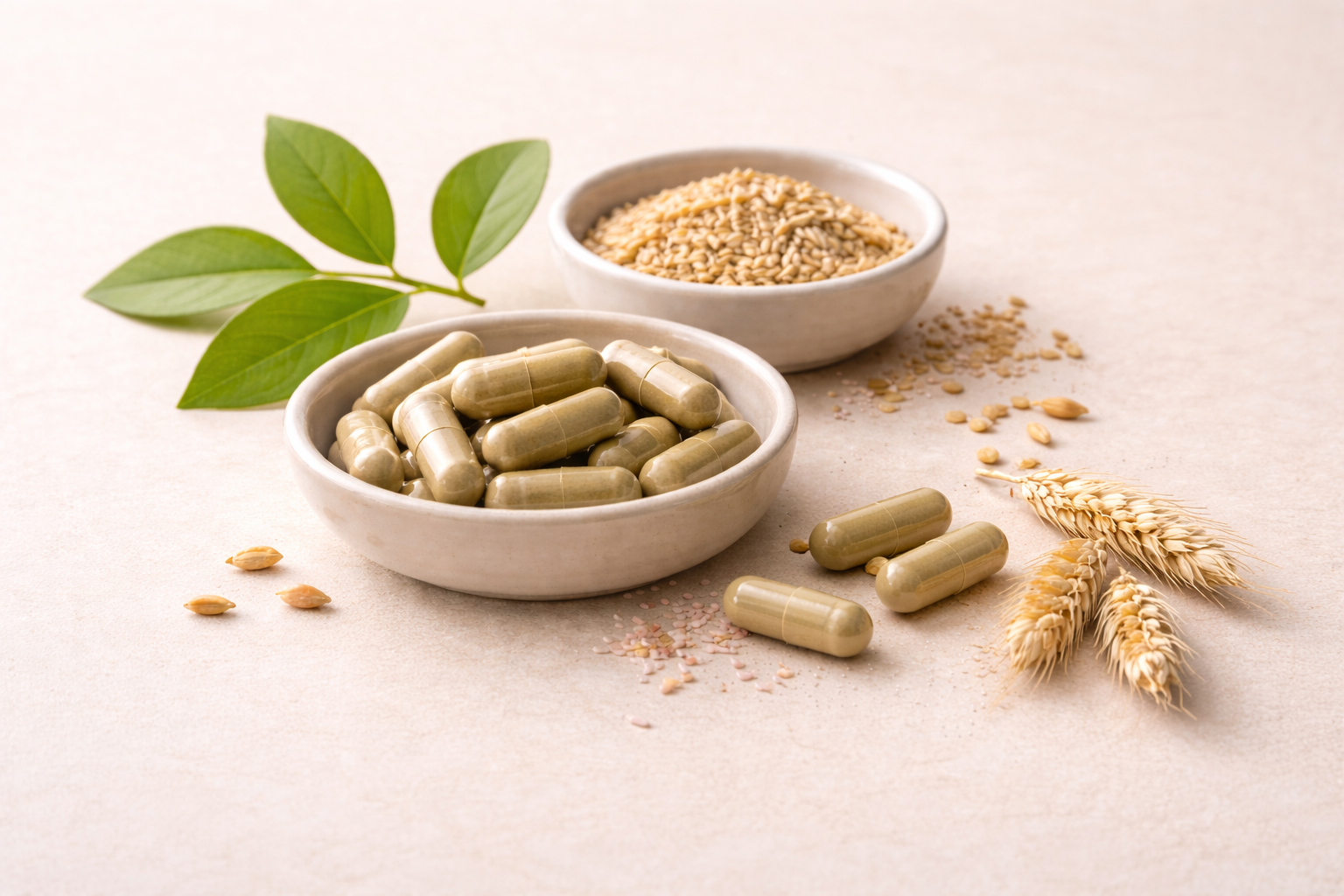
Spermidine is a compound found naturally in the body and in certain foods, such as wheat germ, legumes, and fermented products. Its levels, however, tend to decline with age. Research has linked higher spermidine intake with improved metabolic health and a lower risk of age-related decline.
What makes spermidine unique is its role in autophagy - a cellular process often described as internal “recycling.” Through autophagy, cells break down damaged or unnecessary components and reuse them to maintain proper function. This process is essential for metabolic balance, cellular resilience, and healthy aging.
Metabolism and weight regulation
Healthy weight control is not just about calories; it depends on how efficiently the body processes carbohydrates, fats, and other macronutrients. Spermidine supports normal metabolic pathways by contributing to balanced carbohydrate and fatty acid metabolism.
By improving metabolic efficiency at the cellular level, spermidine can help the body maintain energy balance more naturally - without forcing restrictive or aggressive interventions.
Brain and cognitive support
The brain is one of the most energy-demanding organs in the body, and its function is closely tied to cellular health. Spermidine contributes to normal cognitive, psychological, and nervous system function, supporting mental clarity and resilience over time.
By promoting cellular maintenance mechanisms, spermidine helps protect neural cells from accumulating damage, which is increasingly recognised as a factor in cognitive aging.
Heart health and blood balance
Cardiovascular health remains one of the key determinants of longevity. Spermidine contributes to normal heart function and supports the maintenance of healthy testosterone levels in the blood both of which play important roles in overall metabolic and cardiovascular balance.
Population studies have associated higher spermidine intake with improved cardiovascular outcomes, reinforcing its relevance for long-term health strategies.
Spermidine and longevity
Rather than promising reversal of aging, spermidine supports the body’s natural ability to maintain itself. By activating autophagy and improving metabolic efficiency, it helps slow the accumulation of cellular damage that underlies many age-related conditions.
This makes spermidine especially relevant for individuals focused on: supporting healthy aging, improving metabolic flexibility, and reducing long-term disease risk through cellular-level support.
L Cell Spermidine capsules are designed for those seeking a science-based approach to longevity and metabolic health. By providing a targeted dose of spermidine, they support autophagy, metabolic balance, and the body’s natural renewal processes — not through stimulation, but through restoration.
Spermidine is not a quick solution, but a long-term investment in cellular health. By supporting metabolism, cognitive function, cardiovascular balance, and autophagy, it aligns with a modern understanding of longevity: helping the body work better, for longer, from the inside out.

Leave a comment
This site is protected by hCaptcha and the hCaptcha Privacy Policy and Terms of Service apply.